Why Neapolitans Wear Wool in the Heat
Weight, fibre and the logic of tropical fabrics: what the Neapolitans discovered about dressing in the heat — and why that lesson applies directly to São Paulo.
When I mention wool to clients arriving at the atelier in March, the reaction is almost always the same: a look of gentle doubt, as if I were proposing something mildly absurd. Wool, in São Paulo, at 30 degrees? The answer I give always begins in Naples, not in São Paulo.
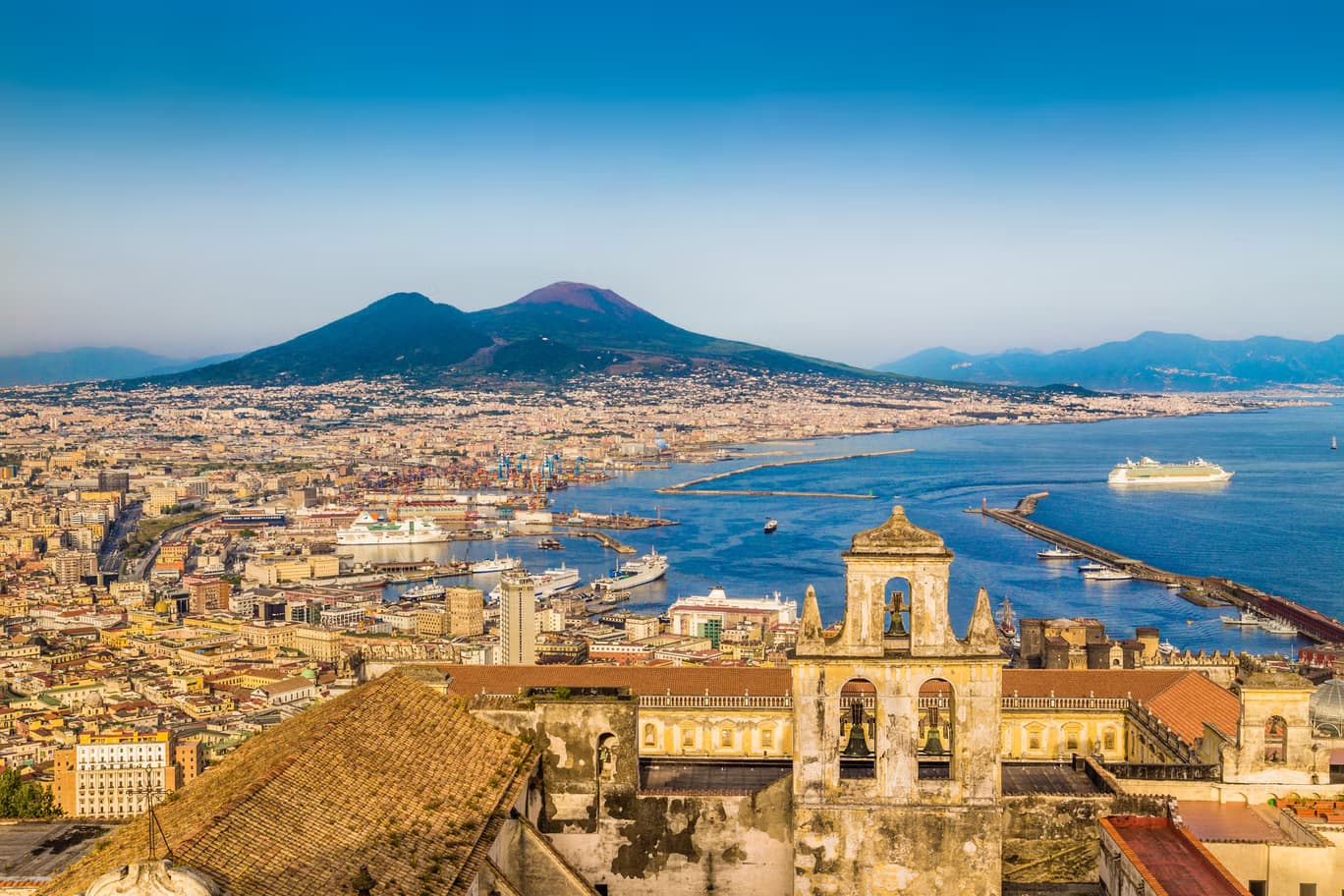
Neapolitan tailoring was developed in one of the hottest cities in Western Europe. Summer in Naples is not the mild warmth of northern Italy; it is a real Mediterranean heat, with humidity from the sea and temperatures that easily reach 35 degrees for months on end. And yet the Neapolitan tradition never abandoned wool as its central cloth. The tailors of Chiaia and Posillipo dressed generations of Neapolitans in wool — from summer to winter, with adjustments that were not of fabric but of construction.
This is not stubbornness. It is a solution. And understanding it changes how one looks at the wardrobe of anyone living in a tropical climate.
The misconception about fibre — and what actually matters
The first misconception to be addressed is the idea that the fibre determines thermal insulation. The popular logic runs thus: wool is warm, cotton is cool, linen is coolest. Therefore, in São Paulo, wear linen.
This logic has a fundamental flaw: it confuses the fibre with the fabric. Wool does not warm because it is wool — it warms because, in its most common and accessible form, it is constructed densely, with high weights and closed weaves that retain heat. But there is a dimension of wool that this logic completely ignores: its thermoregulation property.
Wool fibre, at the microscopic level, is hollow. This means it absorbs moisture without appearing wet — it can absorb up to 35% of its weight in water without transmitting a sensation of dampness to the skin. At the same time, when the weight is low and the weave is open, wool circulates air as efficiently as cotton. Neapolitans do not wear wool despite the heat. They wear wool because, in the right form, it manages heat better than any alternative.
Weight: the number that matters most
The language of wool fabrics has its own vocabulary, and it begins with weight. Weights above 300 grams per linear metre belong to the European winter — flannels, tweeds, dense fabrics that retain heat efficiently. Below 270 grams, the fabric begins to be called "tropical" by the textile industry: a word that indicates not geographic origin, but climatic function.
The fabrics that arrive at the atelier for the São Paulo wardrobe range between 200 and 260 grams per metre. In that range, wool has a lightness that surprises those who touch it for the first time — the finished jacket weighs less than it appears when seen folded. And it is in this range that the magic of thermoregulation operates most efficiently: the fabric breathes rather than imprisons.
The so-called Super numbers — Super 110s, Super 120s, Super 150s — add another layer to this equation. They indicate the fineness of the fibre: the higher the number, the finer and softer the individual wool filament. A Super 150s has a fibre with a mean diameter of around 16 microns — less than half the diameter of a silk thread. For comparison: a human hair measures between 60 and 80 microns.
For everyday use in São Paulo, fabrics between Super 110s and Super 130s offer the most honest balance: generous softness, sufficient durability for daily wear, and a longevity that higher numbers, paradoxically, do not share. A Super 180s is extraordinary to the touch, but it asks for more careful handling — it was not designed for the commute along Avenida Faria Lima.
The weave the climate demands
Beyond weight and fineness, the weave — the structure of how the yarns are interlaced — directly determines how a fabric behaves in the heat.
The plain weave is the most direct: yarns crossing at right angles, creating a uniform surface and a fabric with good air circulation. It is the most formal choice and, in lightweight versions, one of the most suitable for heat.
The hopsack — a variation of the plain weave with grouped yarns — creates a more open and porous texture, ideal for blazers and more relaxed pieces. In tropical wool, hopsack has a quality that makes it singular: it does not crease easily, even through long days.
The twill adds diagonals to the interlacing pattern, creating a fabric with more body and a heavier drape — favourable for trousers, where drape matters as much as comfort.
For the São Paulo summer, the most useful trio is plain weave in fabrics between 200 and 240 grams, hopsack in fabrics between 220 and 260 grams, and twill for trousers that need visual presence without excess weight.
Linen, cotton, and the role of each
To claim that tropical wool is superior to linen would be imprecise — and contrary to the philosophy of this atelier, which does not believe in hierarchies of cloth, only in appropriateness of context.
Linen has qualities that tropical wool does not replicate: a visual texture that is its own aesthetic declaration, a lightness that allows nearly impalpable pieces, and an honesty of appearance — linen creases, and that is part of its charm, not a flaw to be hidden. For those who appreciate the visual style that linen communicates — Mediterranean, relaxed, belonging to a man who does not fear the heat — it is irreplaceable.
Cotton, especially in lightweight poplin or open-weave versions, works well in separates and trousers. For full jackets, it tends to lose its shape over the course of a day more readily than wool or linen.
The honest answer for the São Paulo wardrobe is intelligent mixing. A tropical wool jacket with fine linen trousers — or the reverse. A hopsack blazer over heavy cotton trousers. Tailoring is not dogmatic: it is pragmatic in the service of elegance.
What Naples and São Paulo share
There is an overlap between the climatic problems that Naples and São Paulo share that is not merely geographical. It is cultural: both cities have a relationship with informality that is, at once, declared and sophisticated. In Naples, elegance has always been relaxed — not because Neapolitans did not care, but because they cared differently, in a way that included the pleasure of dressing well without appearing to try. In São Paulo, the informality of the tropical climate produces a similar sensibility: the most interesting Paulistano elegance has never been rigid.
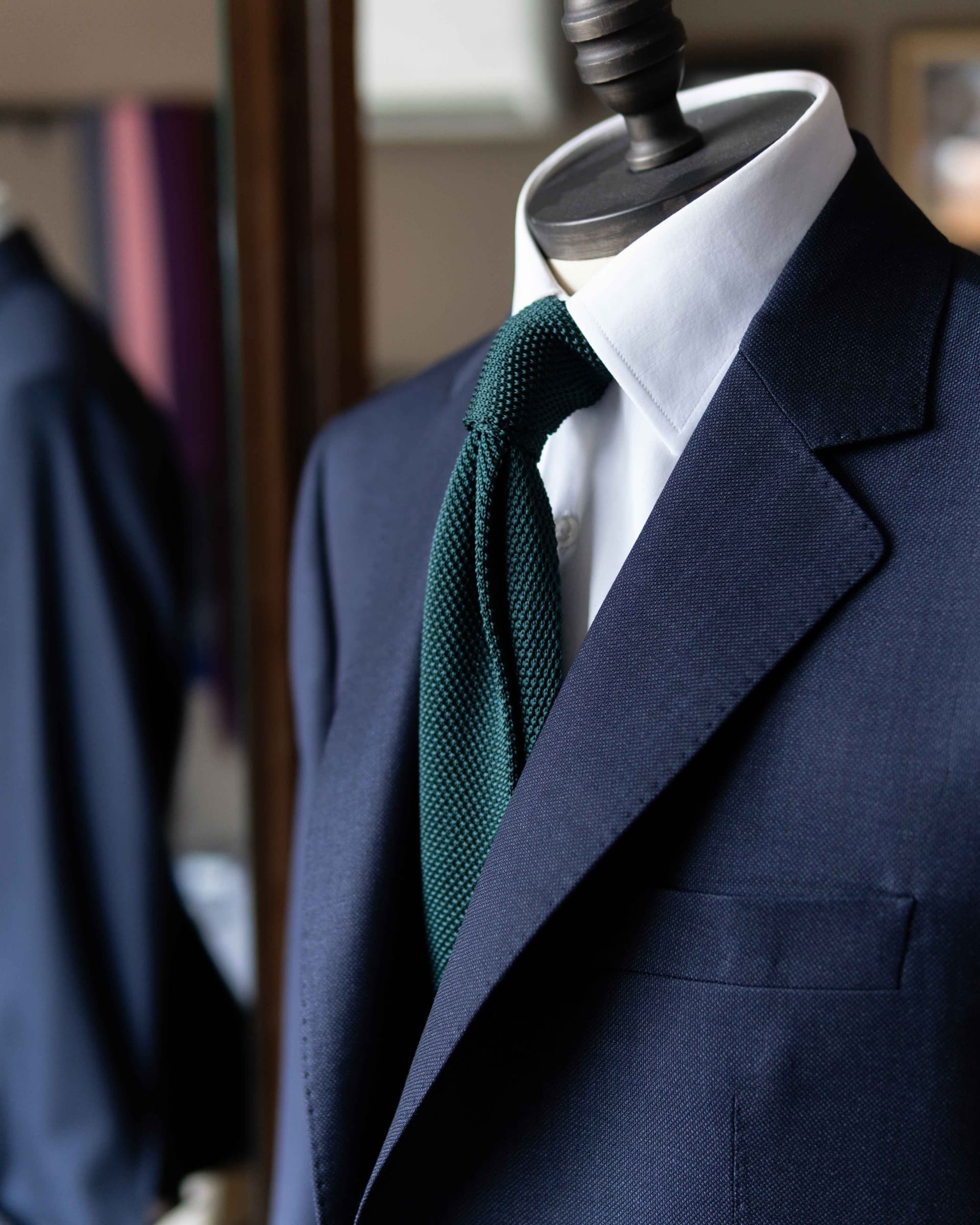
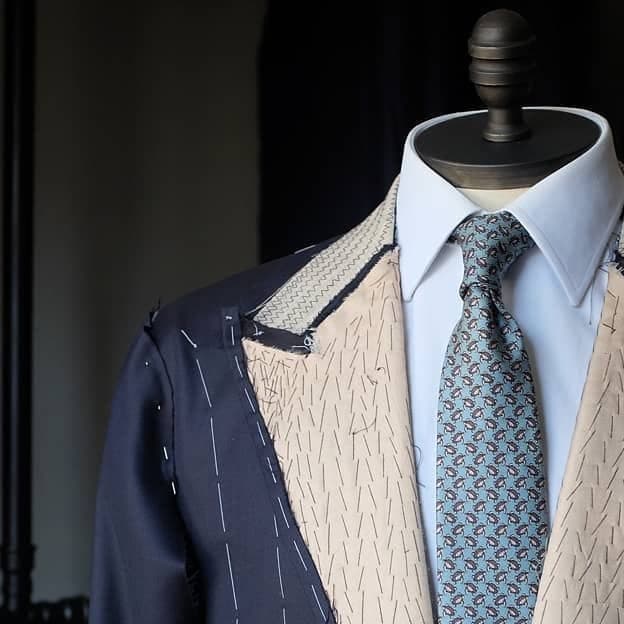
Neapolitan tropical wool, with its sfoderato construction — without full lining, with floating canvas — is the most honest fabric for this overlap. It allows the jacket to breathe, the unstructured shoulder to move without resistance, the piece to be worn from a meeting to a dinner without demanding changes or excessive planning.
When a client asks me which fabric to choose for their first suit in São Paulo, I say: start with tropical wool. It will surprise you on the first wear — by the lightness you did not expect, by the freshness that contradicted all assumptions. And it will convince you on the tenth, when you notice that the suit still has the same form and drape it had when it left the atelier.
That, in the end, is what Naples discovered generations ago. And what São Paulo is still learning.
If you would like to explore the fabrics available at the atelier — rolls of tropical wool, linen and cotton selected for the climate and rhythm of this city — a visit is always the most honest starting point.
Share